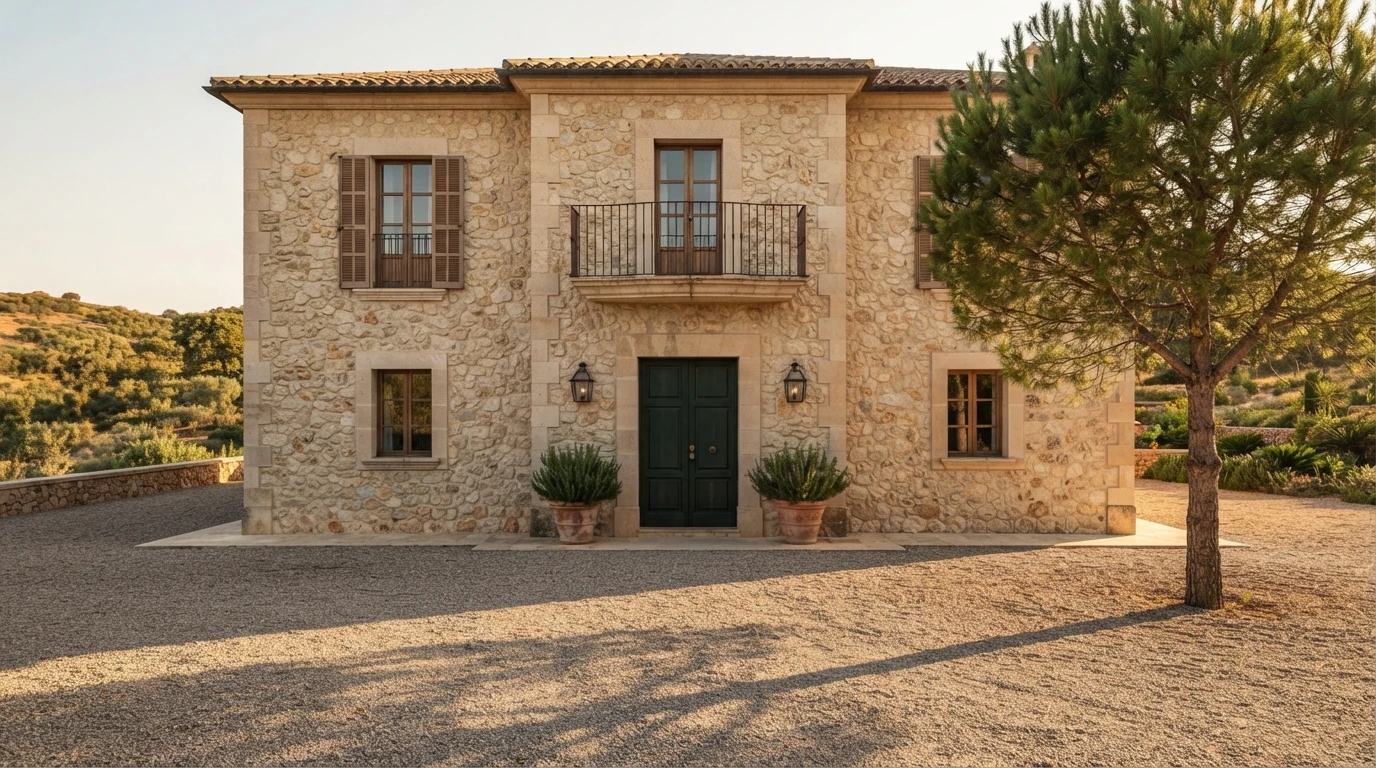
Fashion has an expiry date. Natural materials of quality — stone, solid timber, marble, leather, linen, wool — have a property that synthetic materials do not: they improve with use. An oil-finished oak floor acquires a patina over the years that no new floor can imitate. Carrara marble with use accumulates a visual history of micro-marks that distinguishes it from catalogue marble. Leather ages toward something better. Washed linen softens with each wash.
The base: materials that improve with time
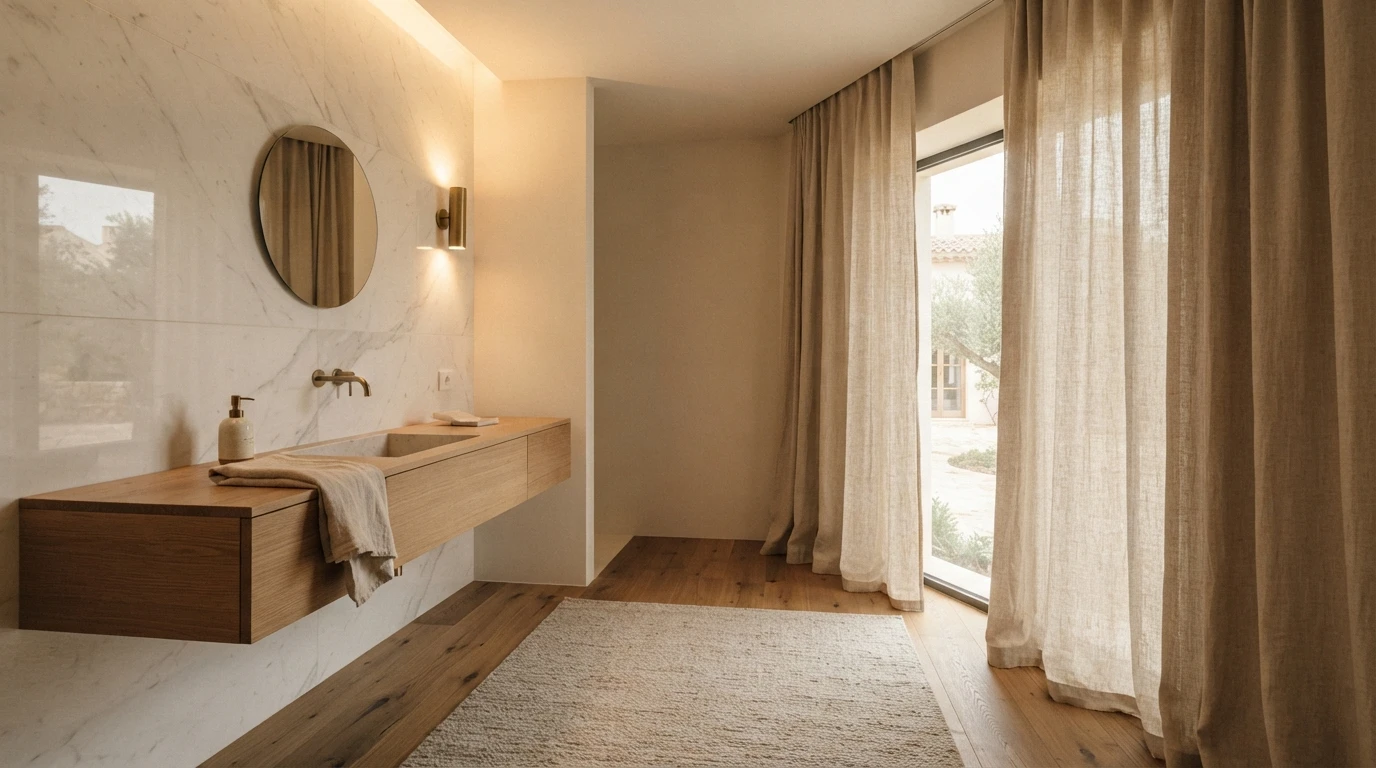
High-quality natural materials — stone, solid timber, marble, leather, linen, wool — improve with use. High-end synthetic materials — high-pressure laminates, luxury vinyls, technical fibres — produce an impeccable appearance when new and degrade visually in a predictable way: they lose sheen, accumulate scratches that do not heal, change colour with UV exposure. Luxury villa interiorism that does not want to age badly chooses materials that heal, not materials that scratch. Textured finishes show the passage of time less than smooth, brilliant ones: every fingerprint, every scratch, every water mark is visible on a mirror surface and invisible on a textured surface.
The palette: warm neutral as base, trend in the replaceable
The timelessness criterion for palette: the project base — wall claddings, floors, built-in joinery — in warm neutral without saturation. Grey-based white (not pure white, which yellows), deep beige, sand, very desaturated terracotta, warm grey. Those tones tolerate the change of decorative and trend elements without renovation: they are the background against which trend can act without compromising the whole. Trend is introduced in the replaceable elements: textiles, upholstery, accessories, auxiliary lighting, plants, artworks. A trend sofa in bottle green that in 2026 appears in every luxury project can be in a well-resolved villa without compromising its timelessness: when that trend expires, the sofa is reupholstered or replaced. A bottle-green mural on the main living room wall does not have that flexibility.
Proportions: what the eye never forgets is correct
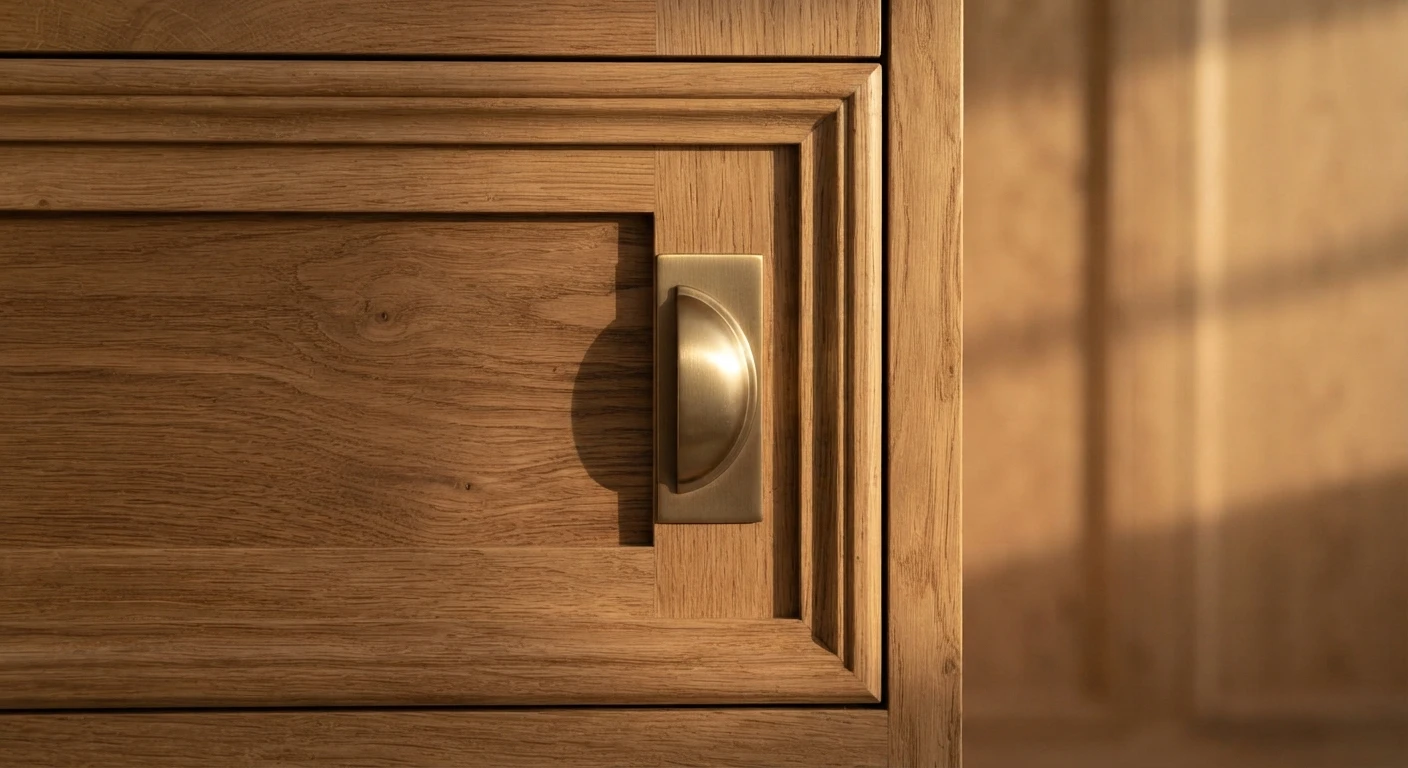
Classical proportions — the golden ratio, 1:1.5 and 1:2 relationships, ceiling height of at least a quarter of the plan diagonal — are not trend: they are geometry the human brain has recognised as harmonious for thousands of years. A villa built with those proportions does not date the project to any specific period. Built-in joinery — wardrobes, bookshelves, door frames, skirting — is where proportions have the most long-term impact. Joinery with discreet classical moulding, in solid timber of adequate thickness (minimum 18mm in internal doors), with brushed brass or wrought iron hardware without excessive design does not date the project. A gloss-white lacquer joinery with geometric stainless steel handle in very specific design dates the project to 2015–2020 instantly for any observer with criterion.
FF&E: where to invest in permanence and where in replaceability
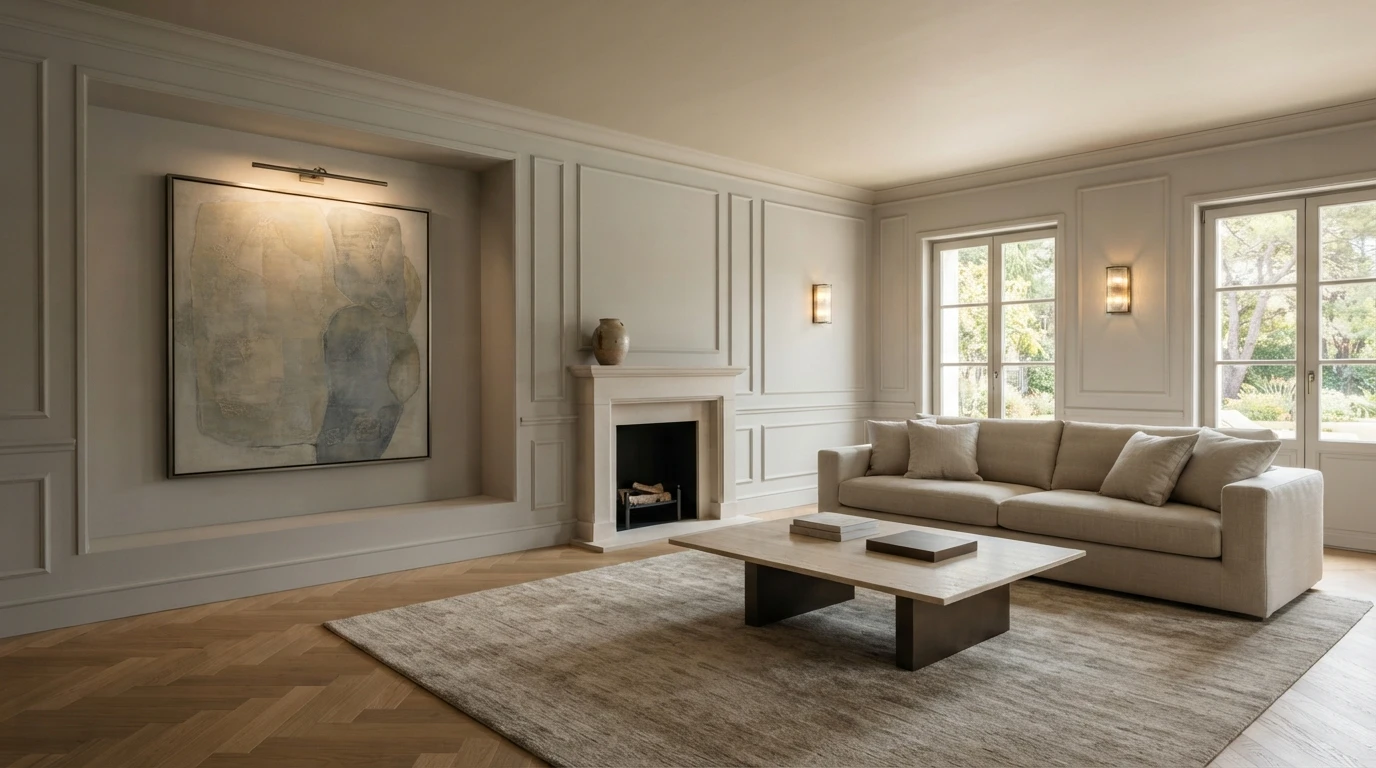
Timeless pieces are those of greatest dimension, greatest visual weight and highest replacement cost: the bed and its headboard, the principal sofa, the dining table, the living room carpet. These pieces must be chosen with a twenty-year criterion, not a five-year one. A natural linen sofa in sand or warm grey will look well in twenty years; a very specifically designed emerald velvet sofa may not in five. Replaceable pieces are those of smaller dimension and easier replacement: cushions, throws, auxiliary lamps, vases, accessories. These can and should follow trend. Tap fittings — one of the elements where the trend-in-the-non-replaceable error is most commonly made — should be chosen in timeless finishes: brushed brass, matt nickel, matt black in very contemporary settings.
The terrace and garden: the exterior that should not expire
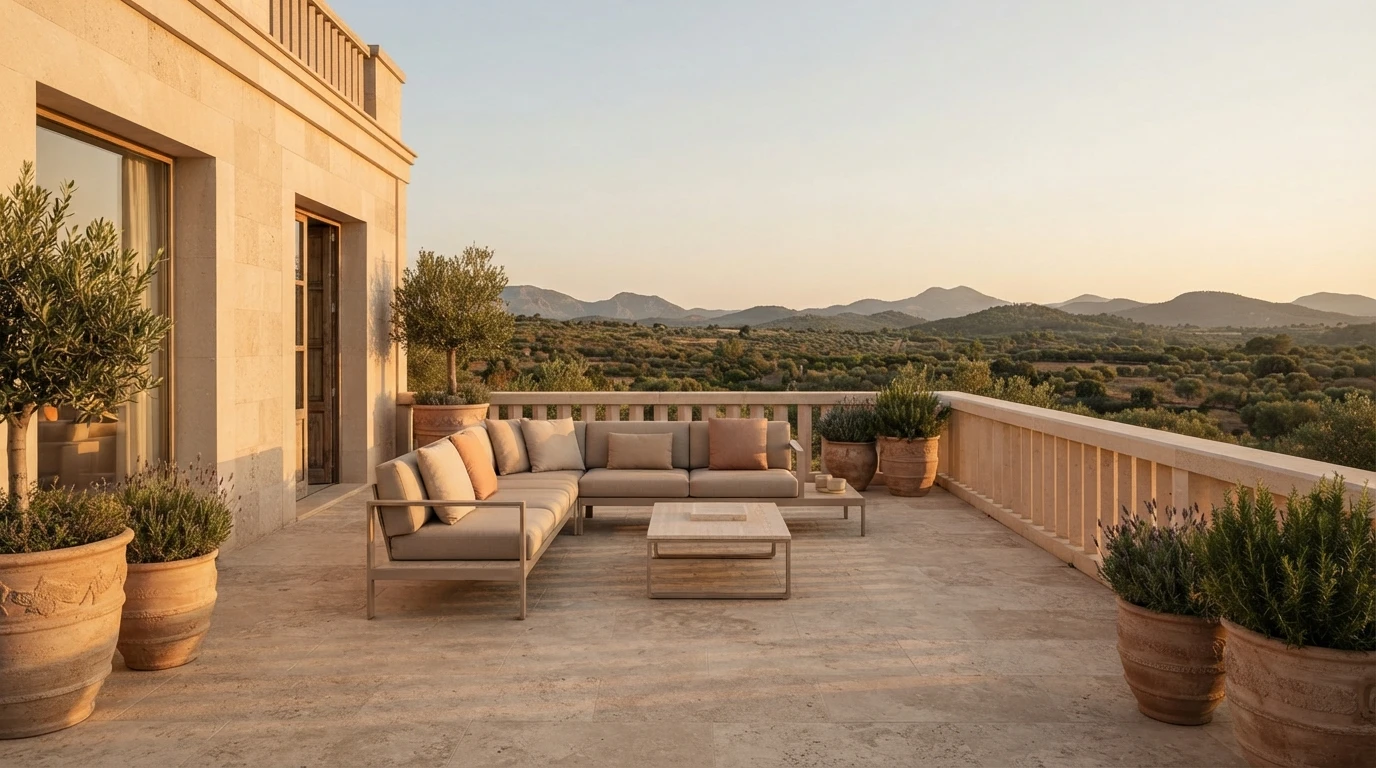
The exterior of a luxury villa in Spain ages differently from the interior: vegetation grows and improves, stone accumulates a patina that makes it more beautiful, outdoor furniture in noble materials (high-density powder-coated aluminium, certified teak, Corten steel) lasts decades. The formal garden with geometrically clipped hedging does not date: it has been correct since the Renaissance. Terrace paving in limestone or treated teak is the most timeless choice. Timeless design is not a renunciation of identity. It is the choice of a base that lasts so that the personality and trend elements added over it have meaning and freedom.
Luxury villa design with timelessness criterion in Spain and Portugal is one of Véline Interiors' specialisms. If you have a project and want to evaluate it with that criterion, the conversation is open.
Véline Interiors · Villas Design
Have a villa project in development?
We design signature villas with a timelessness criterion across Spain and Portugal.
Submit your project →